The Mbaya Dance: A Cultural Treasure of the Wimbum People
The Mbaya dance is one of the most iconic and spiritually significant traditional dances of the Wimbum people, an ethnic group primarily from the Northwest Region of Cameroon, particularly in Donga Mantung Division. The dance is deeply embedded in Nkambe Central, Ndu, and surrounding Wimbum communities, serving as a vessel of ancestral heritage, identity, and communal pride.
Historical Origins and Significance
The Mbaya dance has its roots in ancestral spiritual expression and community rituals, often performed during critical moments such as harvest festivals, royal events, funerals of dignitaries, and communal celebrations. It is not merely a dance for entertainment, but rather a sacred display of power, unity, and reverence for the gods and ancestors. Traditionally, the dance was closely associated with royalty and elder councils, with participation often restricted to members of specific cultural societies or traditional guilds. Over time, the Mbaya dance has evolved into a powerful symbol of Wimbum resilience, solidarity, and cultural continuity, particularly in the diaspora.
Musical Instruments and Rhythms
The heartbeat of the Mbaya dance lies in its rich traditional instrumentation, which provides the powerful, rhythmic foundation that guides the dance:
Drums (Ngwong or Njang)
These are central to the performance, often carved from local hardwood and covered with animal hide. Drummers use both palms and sticks to produce polyrhythmic beats that energize and coordinate the dancers.
Gongs (Nkeng)
Made of iron or bronze, these add a sharp, metallic rhythm that accentuates the beat and signals transitions during the performance.
Rattles (Ngwa or Mbira)
Worn on the ankles or held by dancers, rattles contribute a percussive rustling sound that amplifies the rhythm and adds to the dramatic effect.
Horns or flutes (Nkumti)
Sometimes used to call attention, mark the beginning of the ceremony, or imitate the sounds of nature and spirits.
Cultural Relevance in the Diaspora
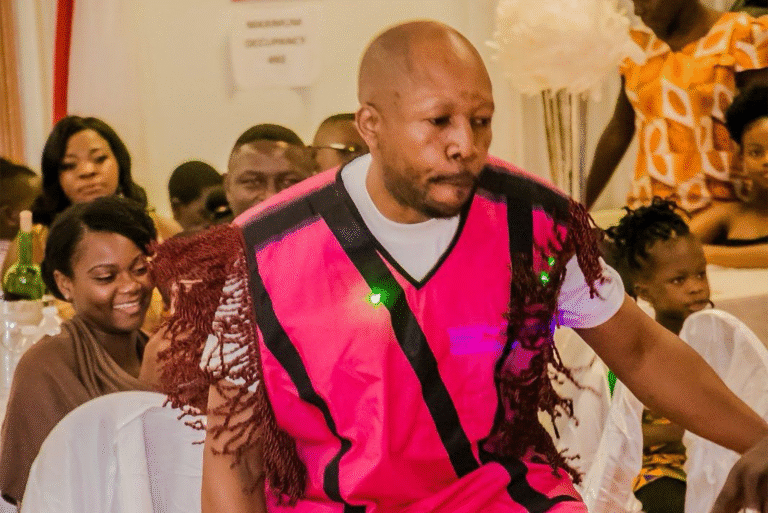
For Wimbum people in the diaspora, including those based in the DFW (Dallas-Fort Worth), United States, the Mbaya dance is more than an artistic expression. It is a way to preserve identity, connect generations, and pass on values. It is often performed during cultural festivals, community meetings, weddings, and end-of-year events to showcase the richness of the Wimbum heritage to younger generations and non-Wimbum observers.
Conclusion
The Mbaya dance is a proud emblem of the Wimbum people’s spiritual depth, cultural intelligence, and communal strength. As the DFW Wimbum Community continues to grow and thrive in the United States, celebrating and preserving such traditions is vital in maintaining a strong cultural bond and honoring the legacy of those who came before.